



Safe Spaces for Women in Sport

Create Safe and Inclusive Spaces for Women in Sport

Learn how to design safe spaces for women in gyms and sports centers, promoting inclusion and active participation in women’s physical activity. This practical course provides tools, clear protocols, and evidence-based strategies drawn from real-world experiences in Montenegrin fitness centers and national studies on women’s participation in sport.

Certifiers:

Sport Innovation Hub
Sport and Citizenship
Montenegrin Olympic Committee
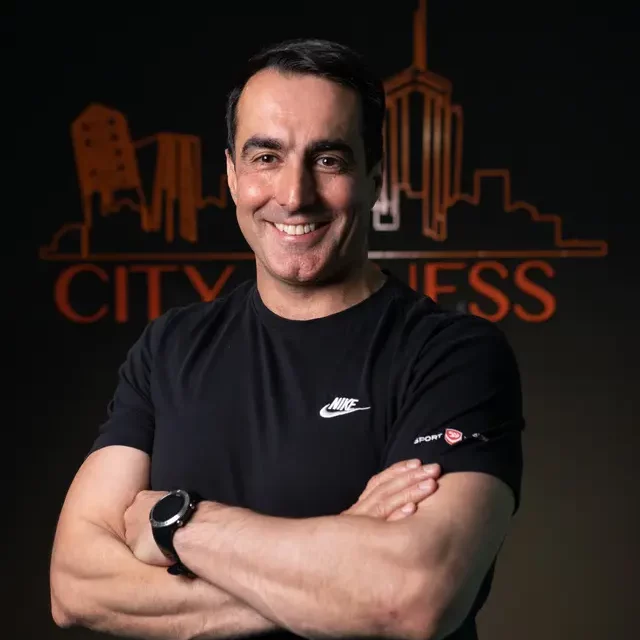
City Fitness - Fitrevolution

Course description

This course is designed to help sports facilities and fitness centres create safe, inclusive, and gender-sensitive environments that actively promote women’s participation in physical activity. Despite the well-known health benefits of regular exercise, many women still face structural, cultural, and emotional barriers that limit their involvement in gyms and sports spaces. Key challenges such as personal safety concerns, discomfort, fear of judgment, and harassment in fitness environments continue to reduce women’s participation rates. Based on recent research, national survey data on women’s experiences in sport environments, and real-world examples from fitness centres in Montenegro, this course provides a practical and evidence-based approach to addressing these issues. Participants will learn how organisational culture, facility design, staff behaviour, and internal policies directly impact women’s sense of safety, inclusion, and belonging. The course equips fitness professionals with the tools to:
  • Identify and overcome gender-specific barriers in sport and fitness
  • Foster respectful, inclusive, and supportive environments
  • Implement effective anti-harassment policies and procedures
  • Improve client experience and retention among women
The programme also highlights proven strategies such as women-only training sessions, family-friendly fitness approaches, and inclusive communication practices, all of which contribute to creating safer and more welcoming spaces. Delivered in a flexible online asynchronous format, the course combines theoretical knowledge with practical case studies and actionable resources. By the end of the course, participants will be able to implement meaningful changes within their facilities, help create harassment-free fitness environments, and support women’s confidence, autonomy, and long-term engagement in physical activity.   Funded by the European Union. Views and opinions expressed are however those of the author(s) only and do not necessarily reflect those of the European Union or the European Education and Culture Executive Agency (EACEA). Neither the European Union nor EACEA can be held responsible for them. Co-funded by the European Union

This course is designed to help sports facilities and fitness centres create safe, inclusive, and gender-sensitive environments that actively promote women’s participation in physical activity. Despite the well-known health benefits of regular exercise, many women still face structural, cultural, and emotional barriers that limit their involvement in gyms and sports spaces.

Key challenges such as personal safety concerns, discomfort, fear of judgment, and harassment in fitness environments continue to reduce women’s participation rates. Based on recent research, national survey data on women’s experiences in sport environments, and real-world examples from fitness centres in Montenegro, this course provides a practical and evidence-based approach to addressing these issues.

Participants will learn how organisational culture, facility design, staff behaviour, and internal policies directly impact women’s sense of safety, inclusion, and belonging. The course equips fitness professionals with the tools to:

  • Identify and overcome gender-specific barriers in sport and fitness
  • Foster respectful, inclusive, and supportive environments
  • Implement effective anti-harassment policies and procedures
  • Improve client experience and retention among women

The programme also highlights proven strategies such as women-only training sessions, family-friendly fitness approaches, and inclusive communication practices, all of which contribute to creating safer and more welcoming spaces.

Delivered in a flexible online asynchronous format, the course combines theoretical knowledge with practical case studies and actionable resources. By the end of the course, participants will be able to implement meaningful changes within their facilities, help create harassment-free fitness environments, and support women’s confidence, autonomy, and long-term engagement in physical activity.


Funded by the European Union. Views and opinions expressed are however those of the author(s) only and do not necessarily reflect those of the European Union or the European Education and Culture Executive Agency (EACEA). Neither the European Union nor EACEA can be held responsible for them.

Co-funded by the European Union

Need more info?

Add text related to the form more information requesting.

Fee:

0

Length

3 hours

Credits

0.3

Starting date

28 Feb 2026

Modules:

4

Languages:

CRN | EN

Courses you may like

Start advancing your career now.
Free

This microcredential (0.3 ECTS · 3 hours) studies how mental processes and behaviour influence sporting performance, and how this performance, in turn, influences the psychological wellbeing of the individual taking part. This course offers a practical introduction to the fundamental concepts of sport psychology, designed for coaches, sports trainers and athletes who wish to understand and apply these tools in their day-to-day lives, without the need for prior knowledge of psychology.

Sport Academy
Free

This microcredential (0.3 ECTS · 3 hours) is built for anyone who works, or wants to work, with athletes and needs a solid, up-to-date foundation in applied nutrition. The course starts from the fundamental concepts of food and nutrition and connects them, module by module, to the decisions a coach, trainer, or rehabilitation professional makes every day: which foods to recommend, how much energy an athlete needs, how to distribute carbohydrate, fat, and protein, which vitamins and minerals matter most in sport, how to plan hydration, and what the evidence says about the most common ergogenic aids (caffeine, creatine, sodium bicarbonate, nitrate).

Sport Academy
Free
Discover how to integrate sustainability into the coaching of sport teams through a practical and comprehensive approach. This course provides key knowledge based on the SDG indicators, covering topics such as carbon footprint, circular economy, and resource management. It also includes ESG criteria, regulatory frameworks, and practical recommendations supported by real-life examples.
ICSS Europe
Free
Discover how to integrate sustainability into the management of sports organisations through a practical and comprehensive approach. This course provides key knowledge based on the SDG indicators, covering topics such as carbon footprint, circular economy, and resource management. It also includes ESG criteria, regulatory frameworks, and practical recommendations supported by real-life examples.
ICSS Europe
View all Courses