







What will you learn?
Throughout the course, you will learn how to:
Practical approach
The course combines research and real-world application through case studies of community interventions, strategic planning tools, and guides for implementing digital health solutions.
Why is it important?
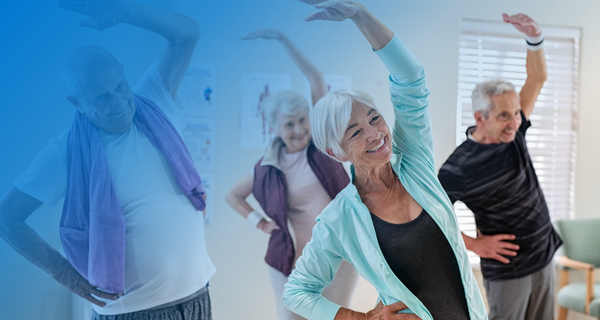
The ageing population presents new challenges for cities. Promoting physical activity among older adults improves their health and well-being and reduces the burden on healthcare systems. It also helps foster social inclusion and promote more active and sustainable communities.
Who is this course for?
This course is specifically designed for:
Outcomes: Upon completion, you will be able to design and implement effective active ageing strategies, using digital tools and evidence-based approaches to improve the quality of life of older adults.
Funded by the European Union. Views and opinions expressed are however those of the author(s) only and do not necessarily reflect those of the European Union or the European Education and Culture Executive Agency (EACEA). Neither the European Union nor EACEA can be held responsible for them.